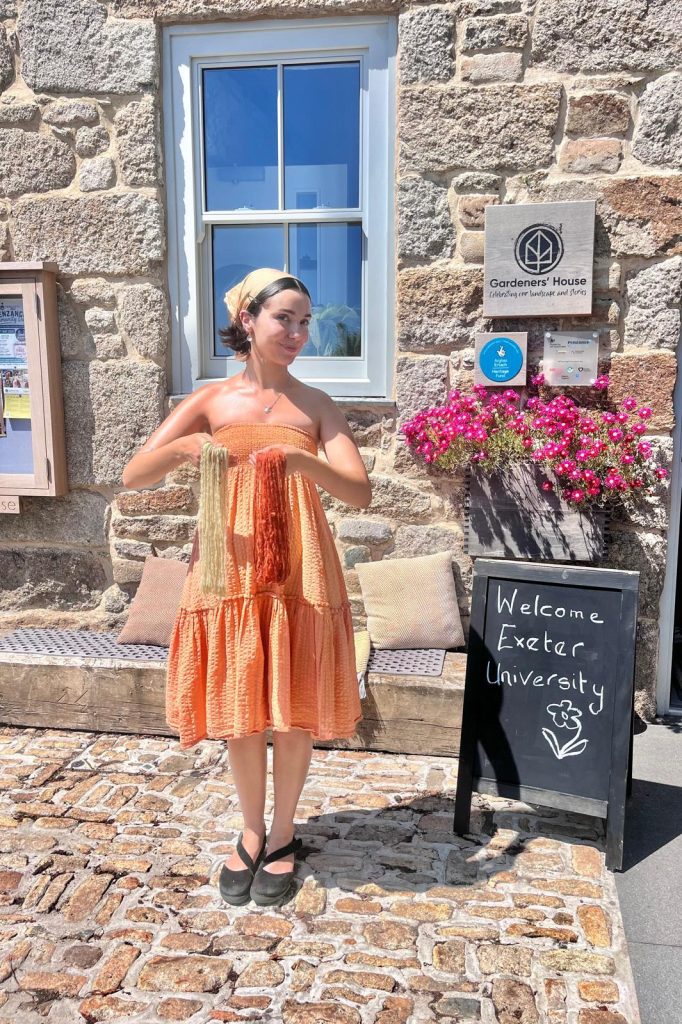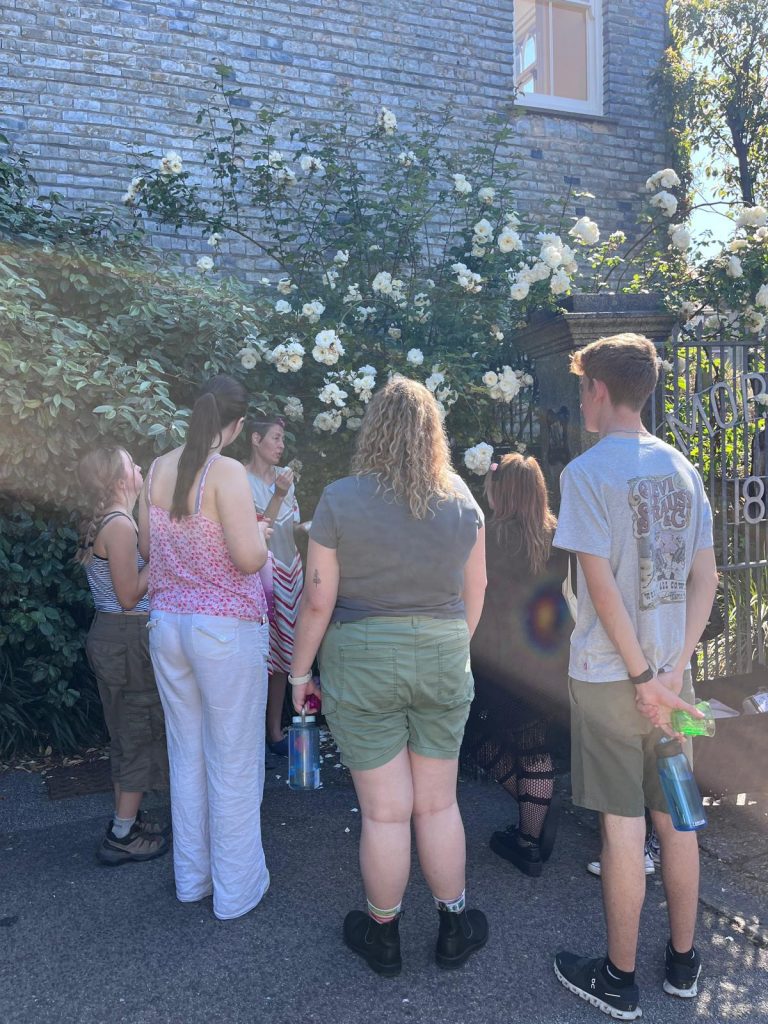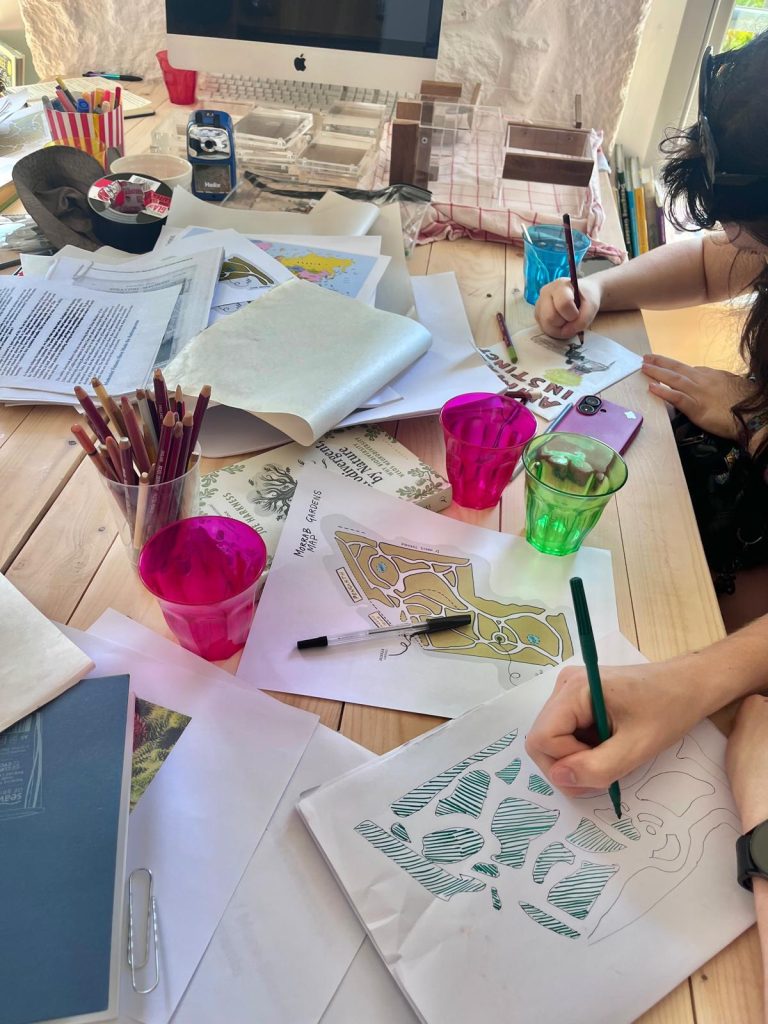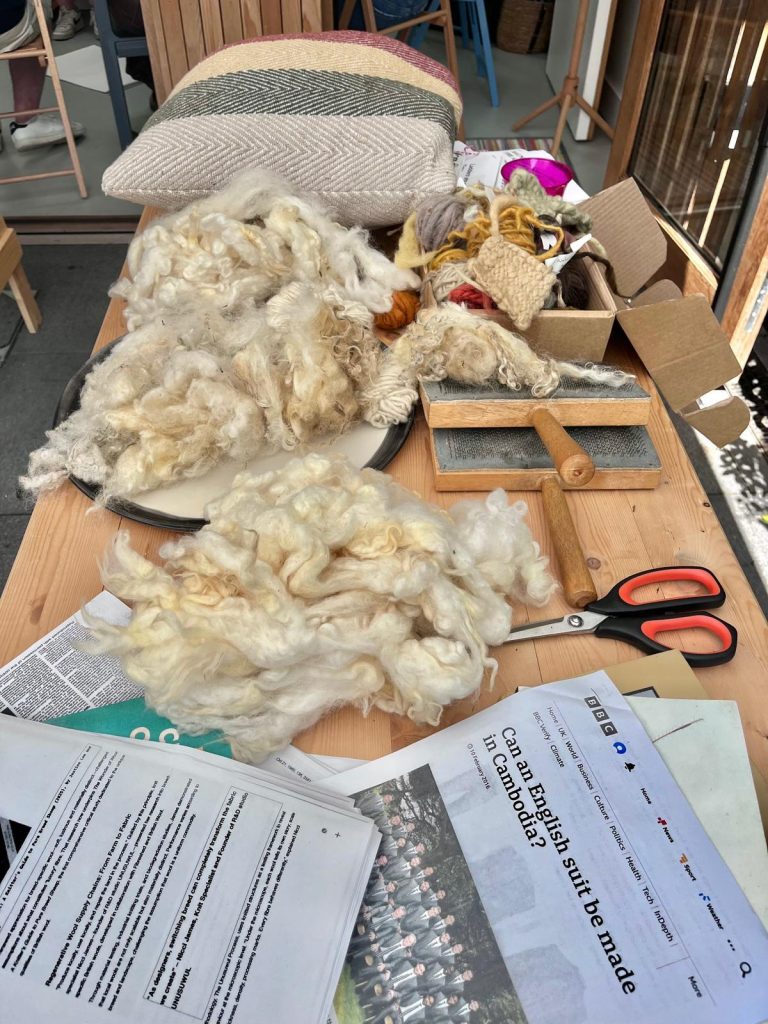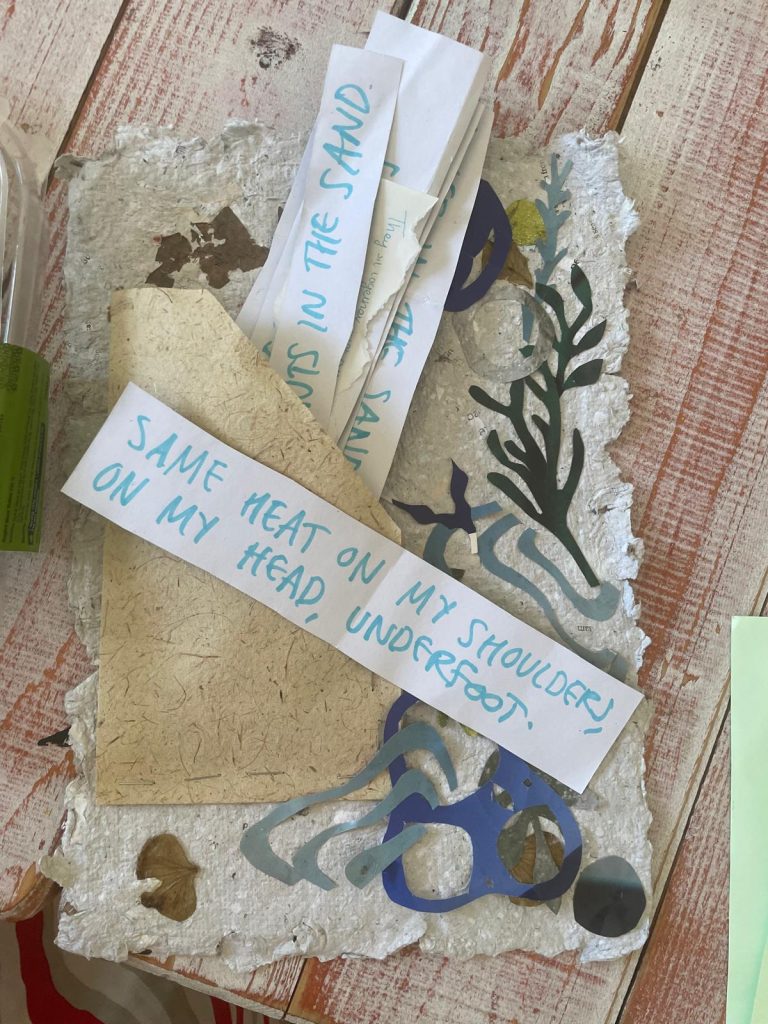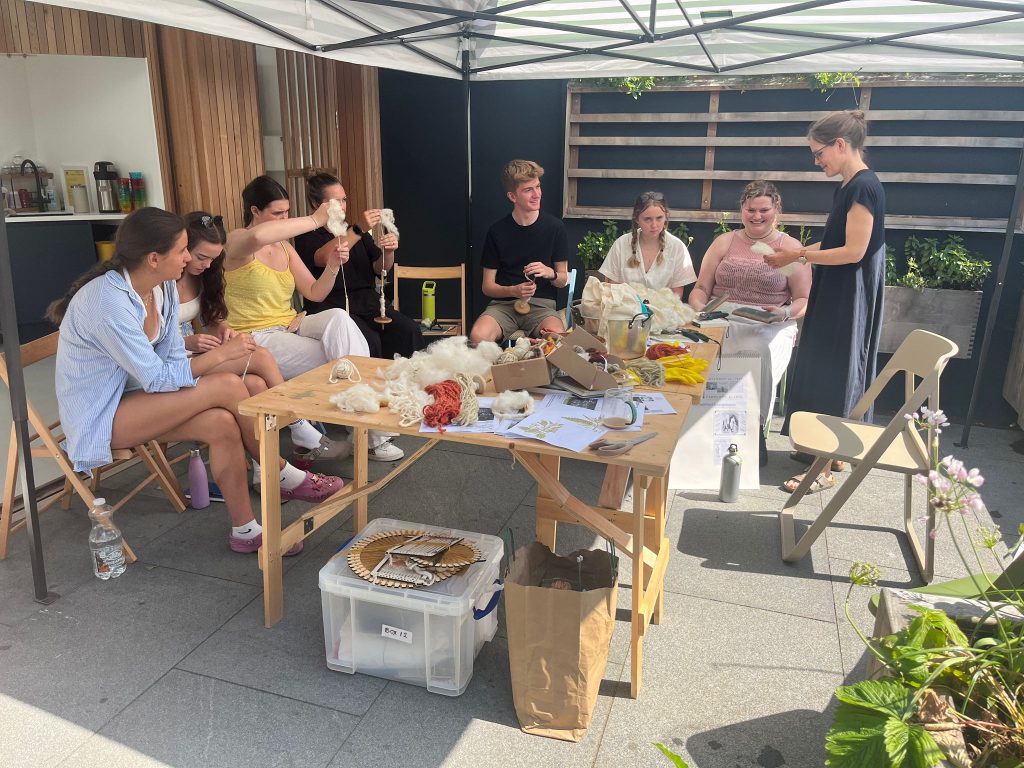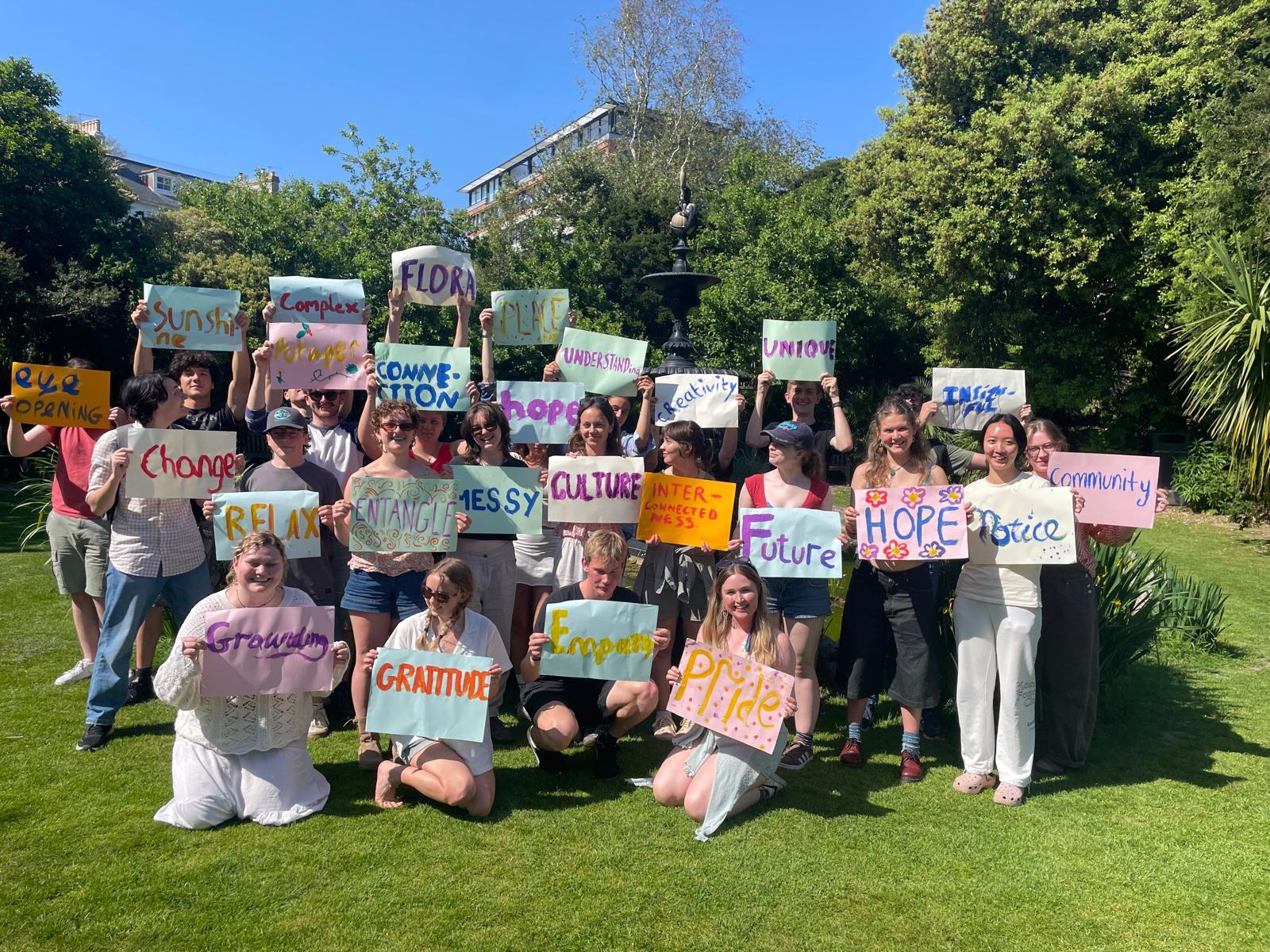
In June, we were delighted to welcome students from the University of Exeter’s Environmental Humanities course to the Gardeners’ House as part of their field visit. The group spent time with us trying to better understand global climate and environmental change through lexplorations and experiments outside of the lecture hall.
Visits like this are a wonderful reminder of why places like the Gardeners’ House matter. A garden is never just a garden — it’s a living archive of the people who’ve been a part of it and the relationships between nature and community that shape it over time.
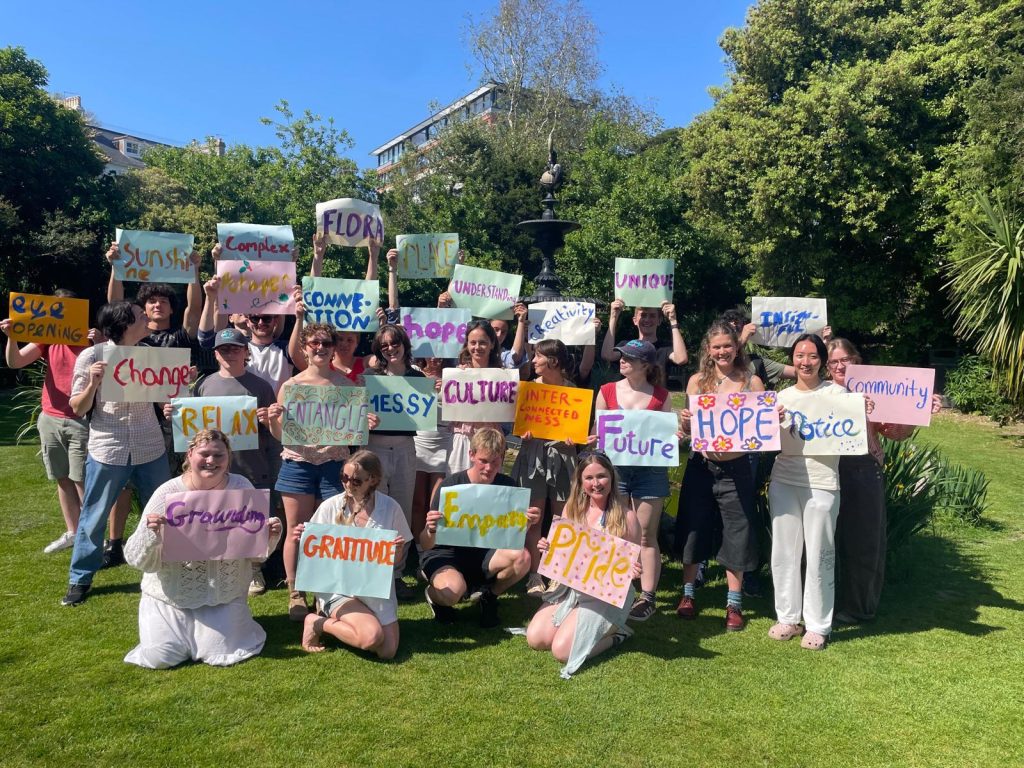
It was a pleasure to see the questions the students brought and the conversations that unfolded during their time here.
Course leader Nicola White, who brought the group to the Gardeners’ House, told us why trips like this are so important to the students.
Climate and environmental change is difficult to comprehend and many of us are uncertain about what to do about it. We are facing complex, global scale problems that can make us feel upset, scared and isolated. How can we begin to grapple with the impacts caused by climate and environmental change when the effects are so big and feel so out of our control? What difference can we make, and how can we inspire hope and meaningful action for the future?
Working in collaboration with the Gardener’s House and University of Exeter colleagues, students get to engage in creative, place-based research over two days. Our aim is to better understand global climate and environmental change through local, place-based explorations and experiments.
While science has demonstrated beyond doubt the global scale of human–natural interventions that have led to the current climate and ecological emergency, the arts and humanities also have a vital role to play in imagining and practicing alternative ways of living with care, humility and responsibility for all human and more-than-human lifeworlds on the planet.
As a core element of the BA (Hons) in Enivornmental Humanities, this module has been uniquely designed to take students outside the conventional lecture and seminar room setting. Through a series of workshops we aim to share knowledge and skills for unpacking the climate and environmental predicament – its historical, colonial and modern framings – by engaging with the issues on the ground in Penzance.
We bring into dialogue recent explorations of the plant humanities (focusing on the botanical gardens), blue humanities (focusing on the sea and shoreline) and animal studies (focusing on wool and natural dying) in order to help students realise the interplay of human and nature entanglements and social connectedness in Penzance.