
Each month, Rachel Lambert – foraging guide, artisan maker and award-winning author – will be writing a journal for us, reflecting on the changing seasons and observations on nature and landscape around us. Rosyansow is the Cornish word for wanderings or ramblings, an apt name for a thougtful conversation about what’s in season in nature right now.
For the month of May, she has written about roses for us.
As the month of May unfolds, the plants are starting to grow beyond their spring coats as buds begin to plump up, some opening into flower.
Here at the Gardeners’ House we’re have focused on feasting in particular, celebrating local and seasonal food in our area of West Cornwall. From the Ten Mile Foraged Feast, to foraging events, markets celebrating local producers and more, you can read all about it here – A month long celebration of food .
To add a further wild and Cornish twist, I thought I’d focus on the foraging and cultivating aspect of roses for this blog, inter-weaving heritage with history and food.
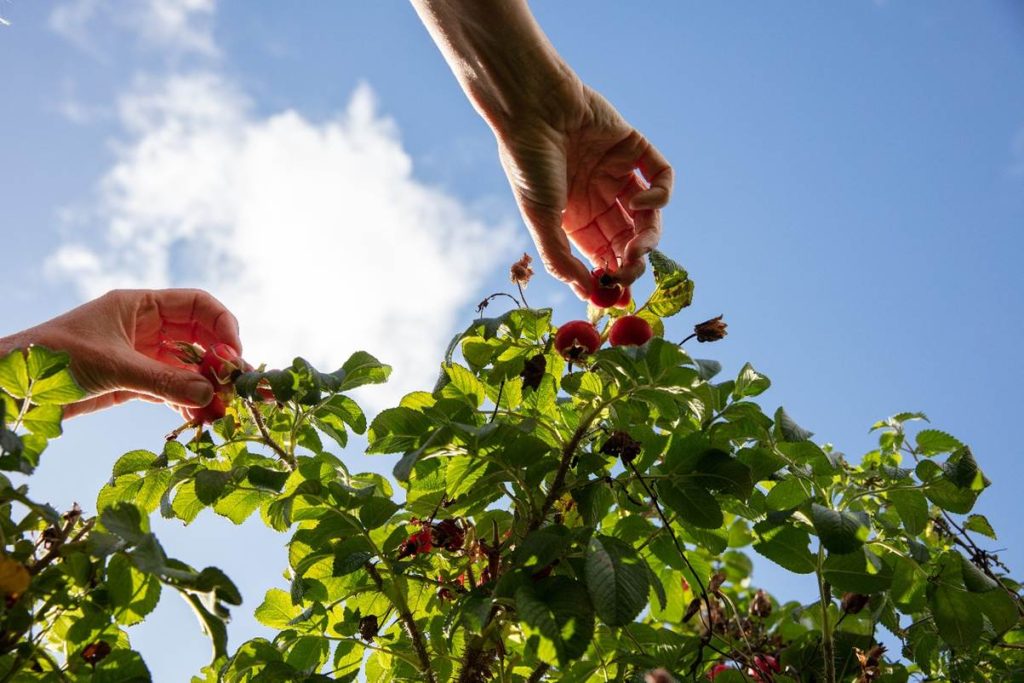
(Image of Japanese rose petals and rosehips, from Wild and Sweet – Forage and Make 101 seasonal desserts, available at The Gardeners’ House)
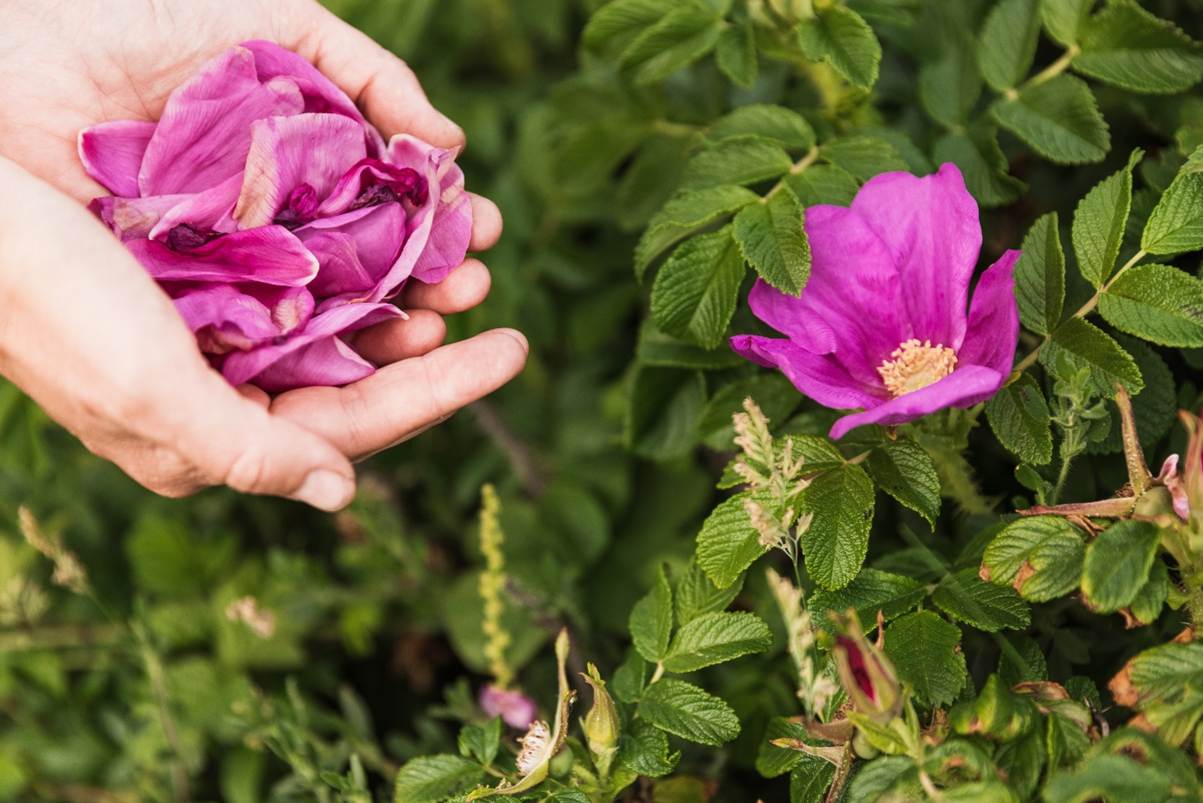
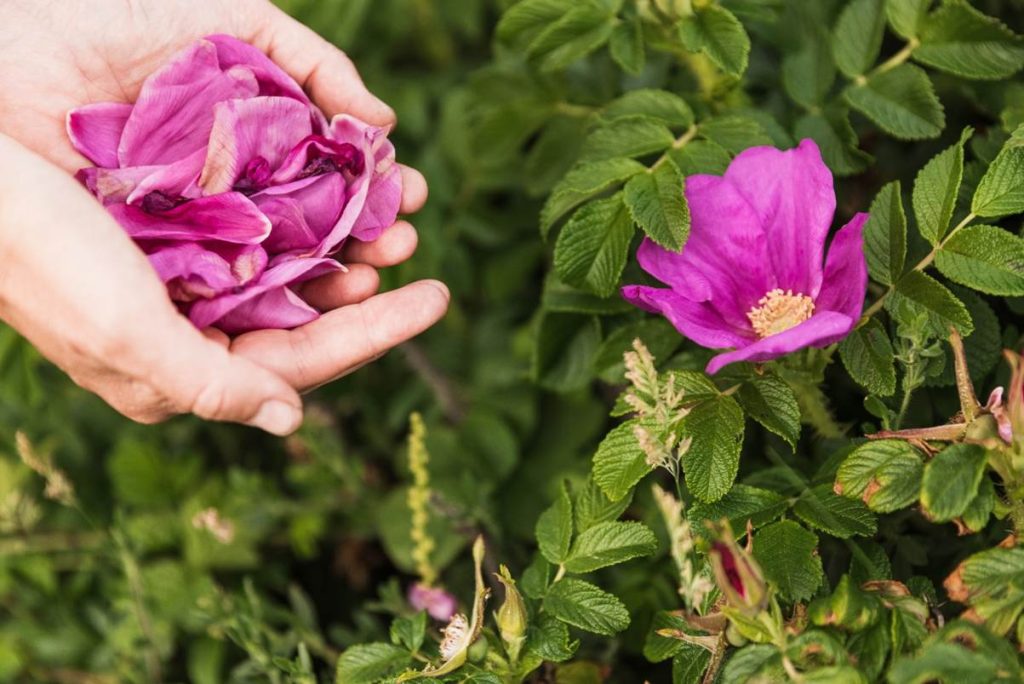
Let’s start with the Japanese rose, also known as Beach rose (Rosa rugosa), a plant that is both a garden escapee and has been planted along the coast to help stabilise sand dunes. Perfect for pollinators with those big flouncy petals beckoning bees to their nectar.
According to the Cornish Biodiversity Network, the Japanese rose is well established in gardens, hedges and beaches across Cornwall.
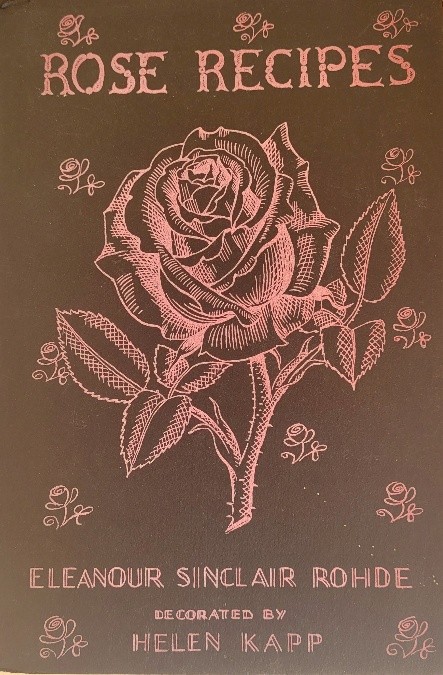
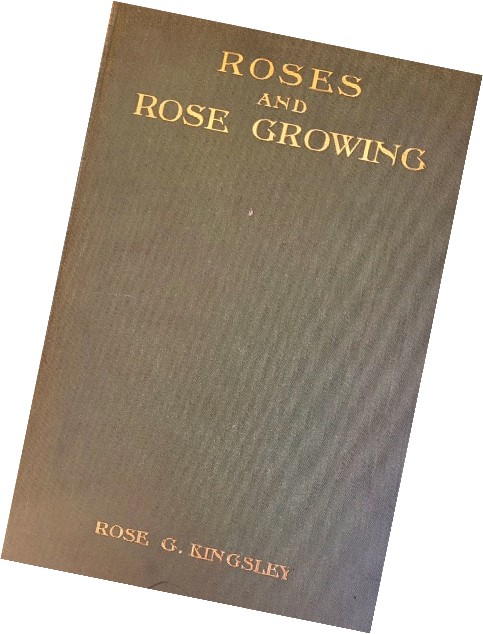
Rose highlights from the archive
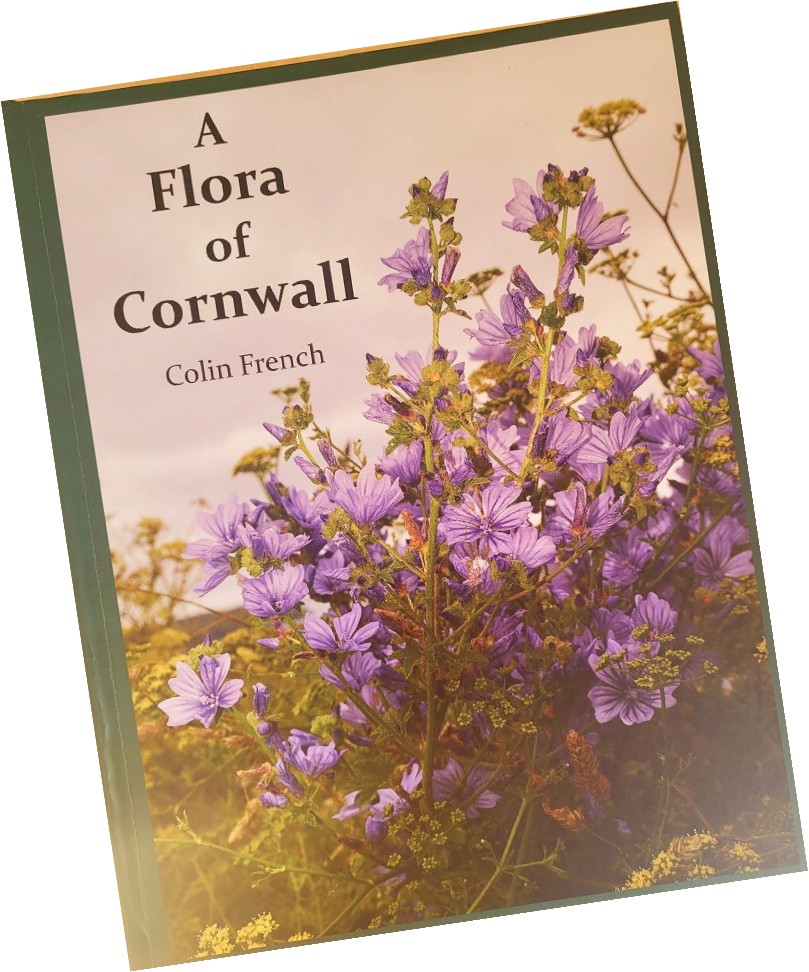
Delving into the archive here, The Flora of Cornwall by Colin French (2020) tells us further of how well the Japanese rose has established itself, and in particular on the beaches of Par and Marazion.
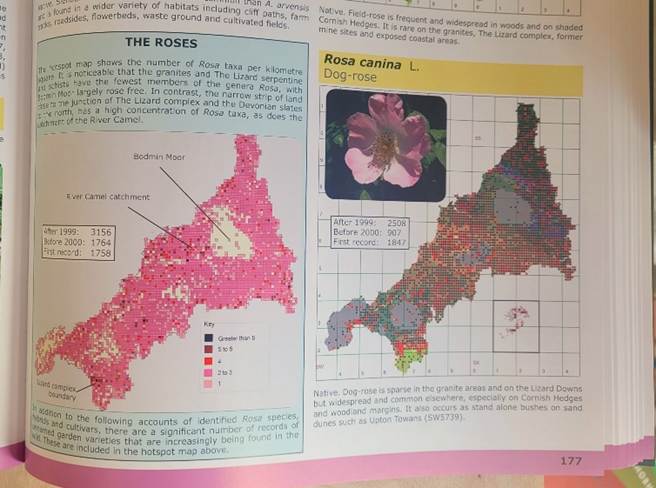
(Excerpt from Colin French’s The Flora of Cornwall)
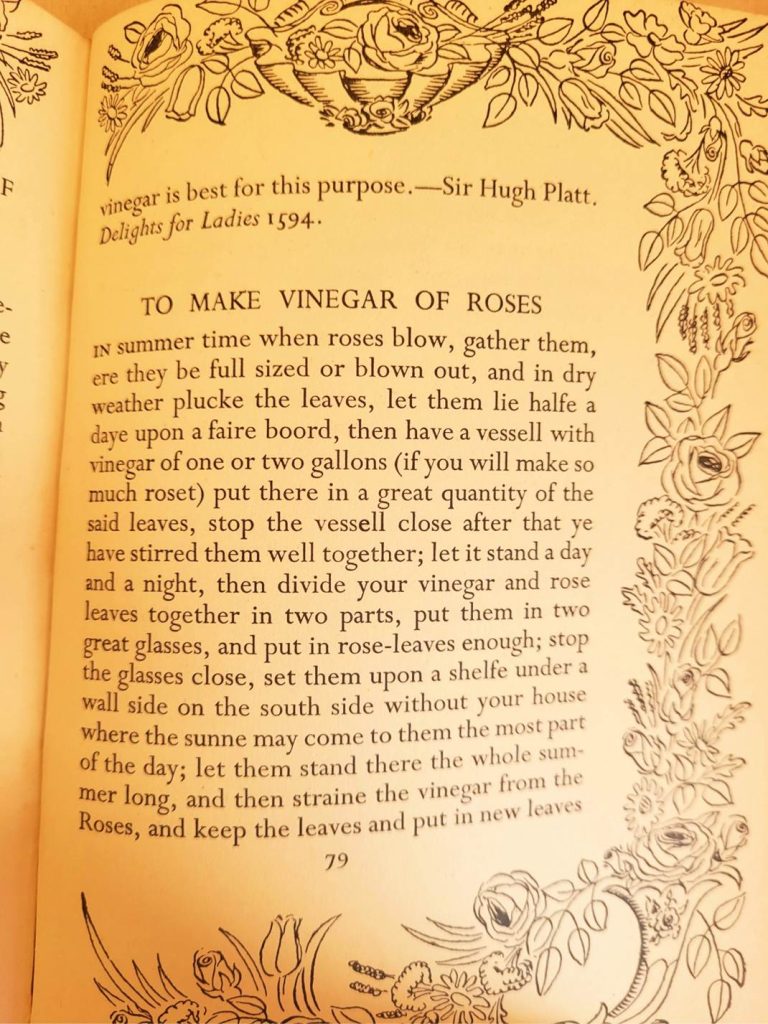
While Rose Recipes by Eleanor Sinclair Rohde (1908) shares some traditional recipes for preserving roses, from Rose petal jelly to Rosehip marmalade and even sweet treats called Rose drops. My favourite though, is probably this Rose vinegar recipe, I love how it utilises the rose leaves too.
If your interest is more in the vast variety of roses and how to grow them, then Roses and Rose Growing by Rose G. Kinsley – an apt name for a rose grower, don’t you think.
Rose tells of the perils of rose growing, but in the next breath ensures us that;
‘…it is still easy to find a bit of ground that roses will flourish; for, with proper care, there are few localities – in England at all events – where they cannot be made to grow.’
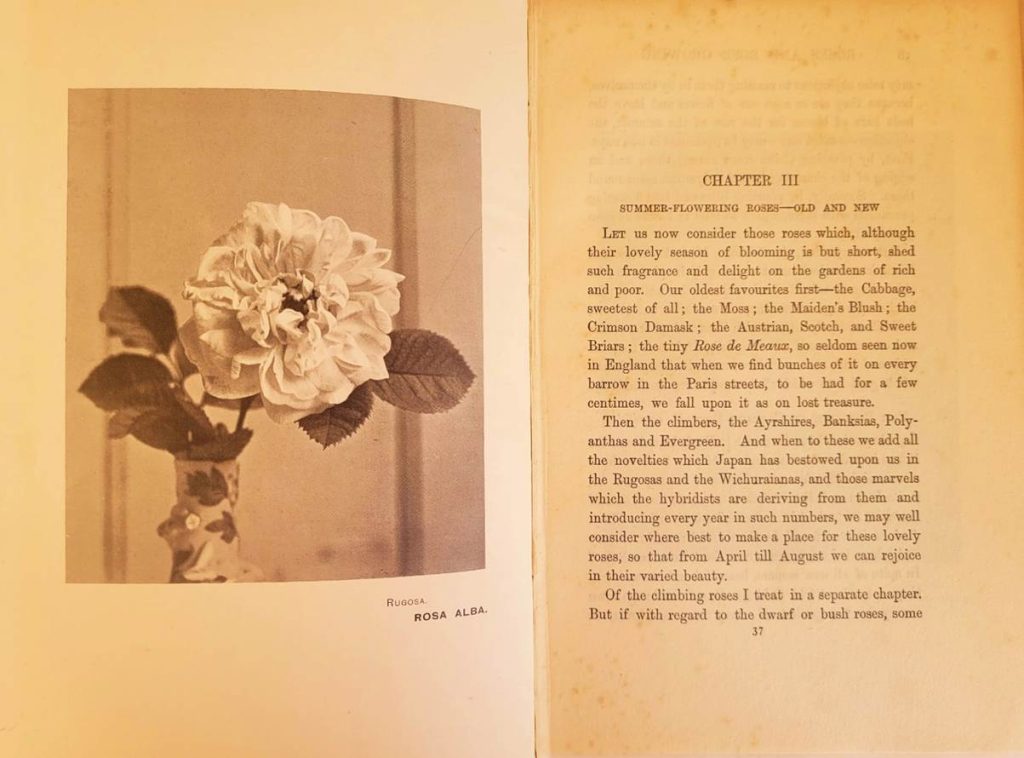
There’s nothing like the scent and shape of a good rose to decorate tables and walk through in gardens. This Rose alba proving the point in Rose’s book (image above).
The Duchy of Cornwall Nursery in Lostwithiel offer a great range of roses, inspiring budding and experienced gardeners alike. As a forager and foodie, I always like to go for the most scented ones, there are some great traditional and easy modern recipes too, to capture that rosiness.
In my book Wild and Sweet I share recipes that take minutes to create and preserve. From watermelon and rose granita to rose dipped shortbreads as well as a shocking pink sponge cake, sandwiched together with a very easy to make rose preserve.
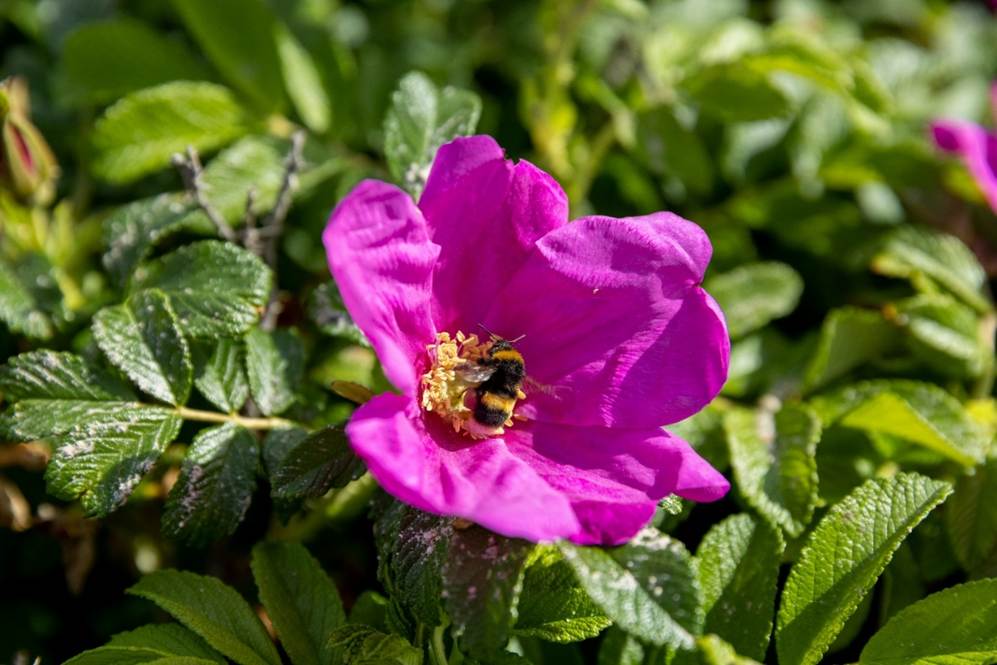
Roses and Wildlife
Foraging for roses always needs to be done in conjunction with nature. Ask yourself; who else is foraging here? Whether that be animals, insects or fellow humans, it is essential to consider the bigger picture of the world we live in, and better still to start in your own garden or local patch.
My top three tips for foraging roses:
- Check if the roses have been sprayed with insecticides. You want unsprayed, natural roses
- Choose smelly, floral roses, I find the wild varieties with five petals are best; Dog rose (Rosa canina) or Japanese rose (Rosa rugosa)
- Gather the freshly fallen petals or the ones that come away easily when you touch them. This ensures the flowers are at the end of their life for pollinators and the beginning of their life as food or infusions for you
‘It is often said that you can’t grow roses in Cornwall but this is simply not the case. You only have to drive through Cornish towns and villages to see flourishing roses. They are tough plants.’
Becky Martin, Duchy of Cornwall Nursery
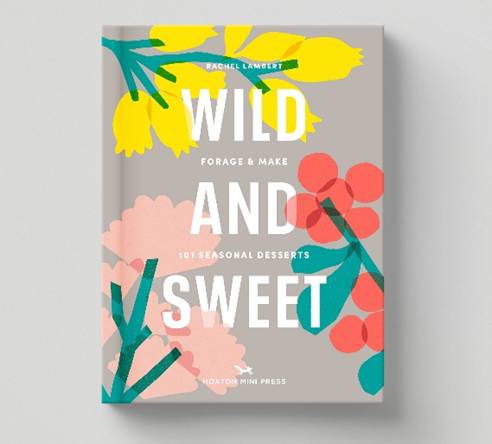
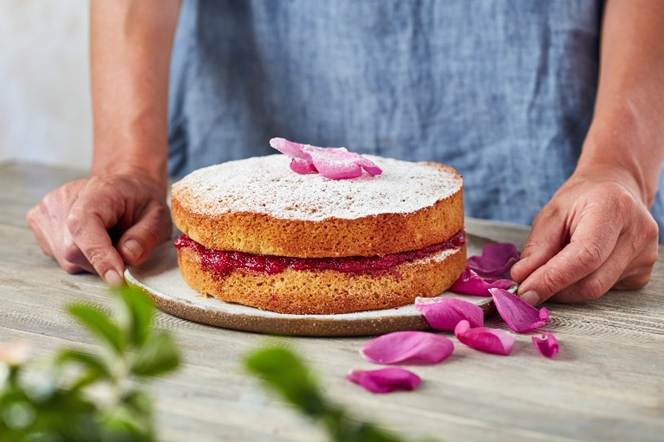
Shocking Pink Sponge cake – a recipe from Wild and Sweet capturing the rosy essence of Japanese roses. Book available at The Gardeners’ House