
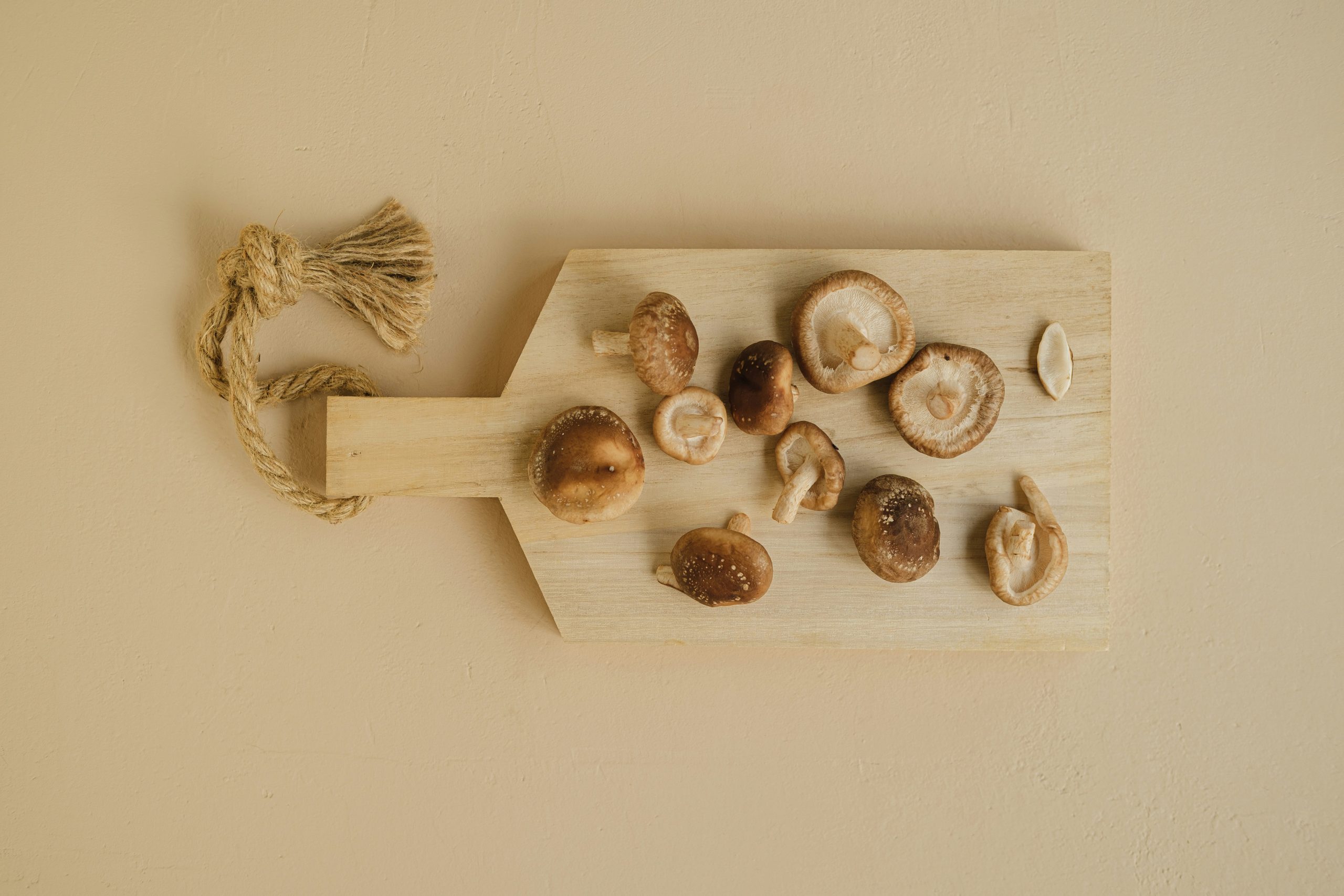
Each month, Rachel Lambert – foraging guide, artisan maker and award-winning author – writes a journal for us, reflecting on the changing seasons and observations on nature and the landscape around us.
Rosyansow is the Cornish word for wanderings or ramblings, an apt name for a thoughtful conversation about what’s in season in nature right now.
For the month of October, in celebration of our month of mushrooms, she has written about fungi.
Have you ever bought a bouquet of mushrooms?! The mushrooms and fungi growing here in Cornwall are that beautiful and colourful that they deserve to be the centre piece of any table.
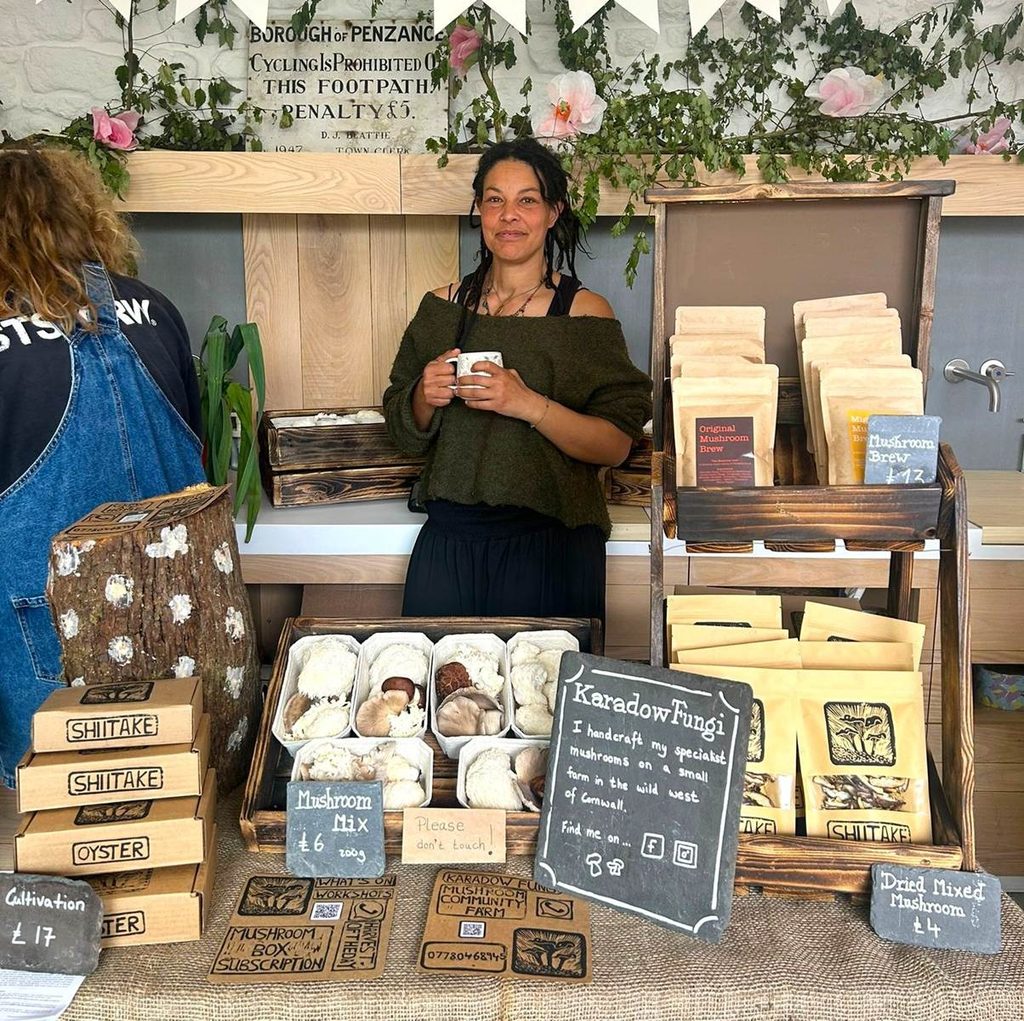
I caught up with Sharon Cooper from Karadow Fungi, a fungi grower and how-to-grow-your-own workshop facilitator to talk about fabulous fungi. Sharon is currently selling her delicious home-grown mushrooms and fungi at the Gardeners’ House regular farmer’s market.
We started with talking about the history of mushrooms here in the UK, and how we came to fear them so much compared with our French, German, Italian and Polish neighbours.
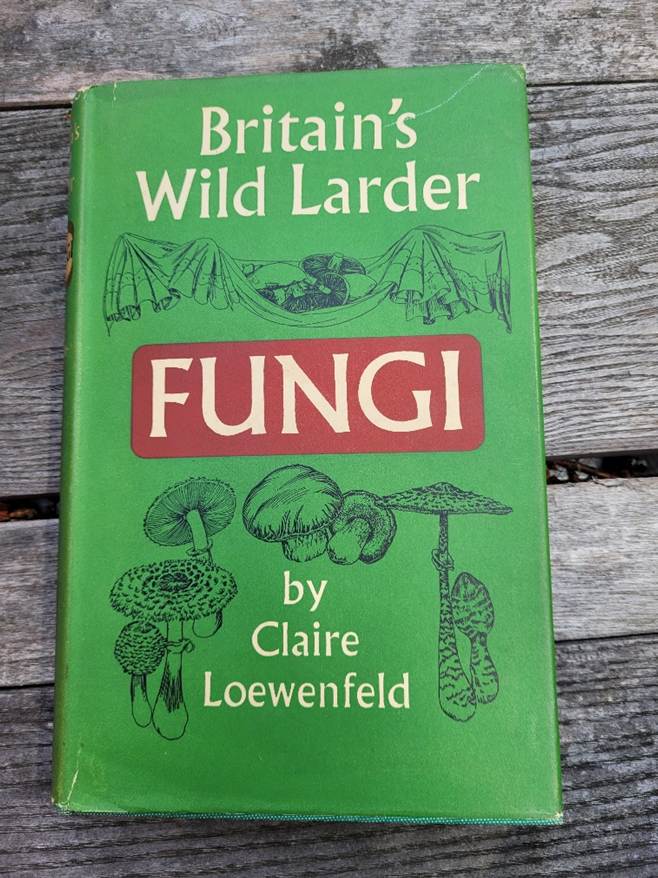
Delving into the archive here at the Gardeners’ House, the book; Britain’s Wild Larder FUNGI by Claire Loewenfeld talks about the place fungi has as a foraged food, and how fungi could be made more popular. First published in 1956, she talks about the names; fungi and toadstool and quotes Dr. Ramsbottom, author of Mushrooms and Toadstools on the missed opportunity of hundreds of edible varieties because of this misconception:
‘…our dread of eating any fungus other than the Common Mushroom, either wild or cultivated…’ and continues ‘The general belief that only one, or at most a very few species are safe to eat…’
Britain’s Wild Larder FUNGI by Claire Loewenfeld
Sharon talks about this misconception too, and that this ‘one mushroom’ phenomena can mean that people decide they don’t like mushrooms based on their experience of one white, button mushroom, commonly known as the field mushroom.
In reality, the variety of texture, taste, versatility and colour is almost infinite, though Sharon focuses on growing five main types; Lion’s mane, Shitake, Oysters (seasonal varieties), Enoki and Coral mushrooms.
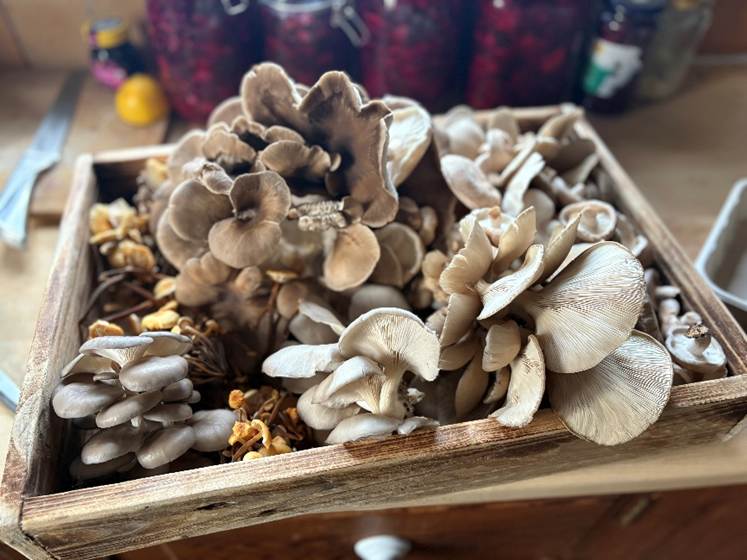
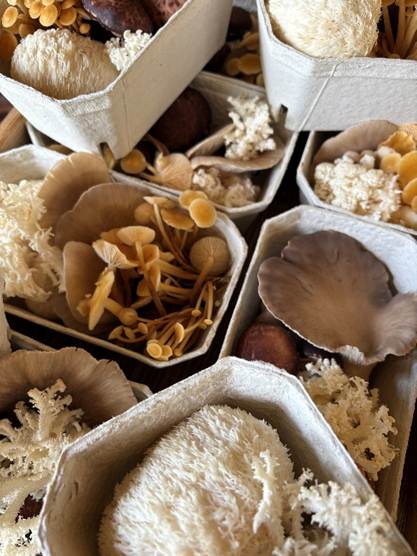
Photo of Sharon’s edible mushrooms and fungi (photo credit: Sharon Cooper)
“Can I touch them?“
“Aren’t you scared they are poisonous?“
Customers at her stall ask to touch what nature has created and question whether they are edible, such is our fascination and continued intrepidation of fungi. Luckily Sharon knows her fungi well, growing them all on her off-grid, low-tech mushroom farm in west Penwith. Sharon’s passion for fungi includes their medicinal qualities as well as finding native strains which could be more adaptable to a changing climate and more suitable to our unique, Cornish climate.
This makes me think of the living archive here at The Gardeners’ House, and what contribution mushrooms and fungi could make to our future. For Sharon, this could include using fungi to help compost natural clothing, helping reduce the tons of clothes that get discarded each year – though unfortunately doesn’t help with synthetic fabrics yet.
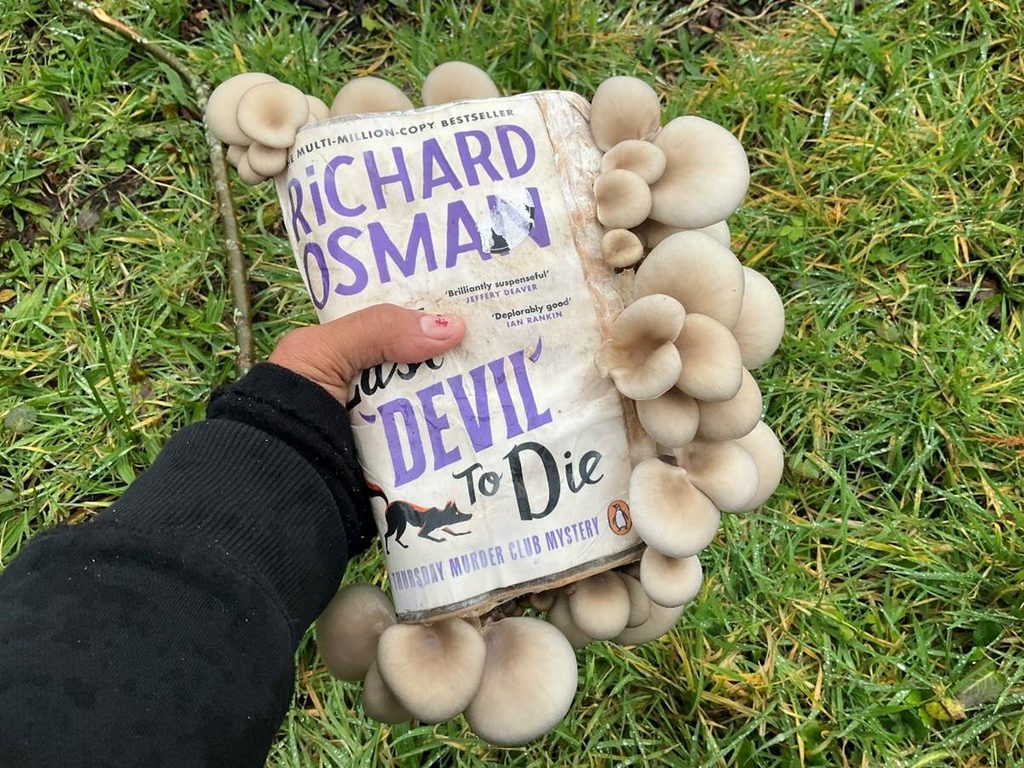
Sharon’s fungi eating and decomposing a book (photo credit: Sharon Cooper)
Beliefs around mushrooms and fungi, including mythology and witchcraft have limited our positive experience of them in the UK, though this is slowly changing through organisations such as MYCOPUNKS who teach young people about fungi and Sharon’s own workshops teaching people how to grow their own at home.
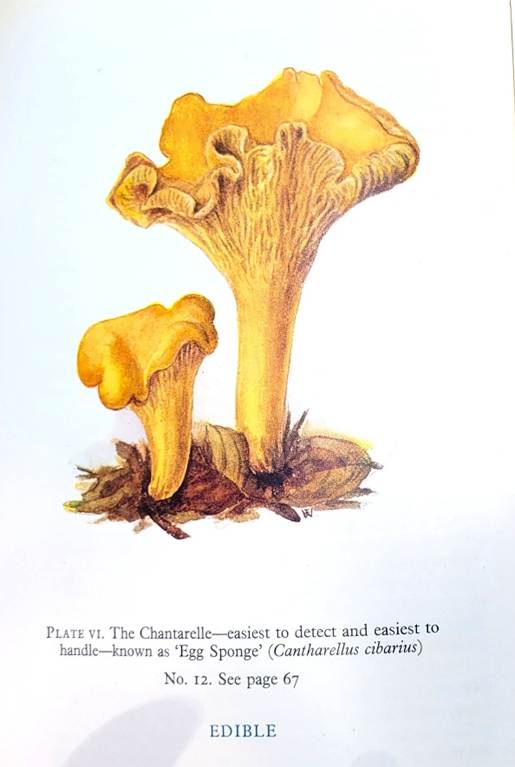
Britain’s Wild Larder FUNGI by Claire Loewenfeld
The archive tells us a little of our more recent traditions with fungi, from oyster mushrooms (Pleurotus ostreatus), beef steak fungus (Fistulina hepatica)and fairy-ring champignons (Marasmus oreadus) to chanterelles (Cantharellus cibarius).
Claire’s fungi book shares recipes such as:
- Chanterelles with scrambled egg
- Beef steak fungus peeled and cut into thick slices, fried with onions, parsley and herbs
- Oyster mushrooms (just the young tender bits) fried, coated with breadcrumbs or batter
- Champignons used fresh or dried, discard the stems and add the caps to stews
Want to learn more about fabulous fungi?
Look out for Sharon’s workshops or talk through her Karadow Fungi facebook or Karadow Fungi Instagram or at one of the monthly farmers’ markets, there’s also a range of fungi-focused activities at The Gardeners’ House throughout October, check out the GH calendar.
,